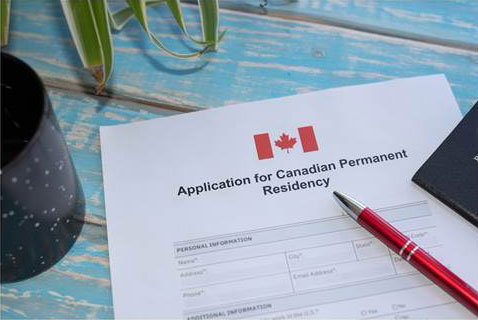
What Family Sponsorship Means in Canada
Family sponsorship is one of Canada’s primary pathways to permanent residence. It allows eligible Canadian citizens and permanent residents to sponsor certain family members so they can live in Canada permanently.
Sponsorship may involve reviewing eligibility, gathering supporting documents, proving family relationships, and responding to requests from immigration authorities throughout the application process.
Who You May Be Able to Sponsor
Canada’s family sponsorship programs allow eligible sponsors to bring loved ones to Canada as permanent residents.
Spouse, Common-Law Partner, or Conjugal Partner
Canadian citizens and permanent residents may be able to sponsor a spouse, common-law partner, or, in some cases, a conjugal partner. Immigration authorities review these applications carefully and often require evidence that the relationship is genuine and ongoing.
Dependent Children and Adopted Children
Eligible sponsors may be able to sponsor dependent children for permanent residence. Applications involving adopted children may require additional documentation to satisfy both Canadian immigration requirements and applicable adoption laws.
Parents and Grandparents
The Parent and Grandparent Program (PGP) allows eligible Canadians to sponsor parents and grandparents for permanent residence. Sponsors must meet specific eligibility and financial requirements. Alternative options, such as the Super Visa, may also be available for some families.
Other Relatives in Limited Situations
In certain situations, Canadian citizens and permanent residents may be able to sponsor other relatives. These cases are less common and depend on specific eligibility requirements under Canadian immigration law.
Who Can Sponsor a Family Member
Not everyone is eligible to sponsor a family member to Canada. Generally, sponsors must:
- Be a Canadian citizen or permanent resident
- Be at least 18 years old
- Meet applicable sponsorship requirements
- Not be prohibited from sponsoring due to previous sponsorship obligations, criminal issues, or other restrictions
Sponsors also take on legal responsibilities when sponsoring a family member.
Reviewing sponsor eligibility before submitting an application can help identify potential issues early in the process.
Inland vs Outland Sponsorship
One of the most important decisions in many spousal sponsorship cases is whether to pursue inland or outland processing.
The best option depends on the family’s circumstances, travel plans, immigration status, and long-term goals.
Inland Sponsorship
Inland sponsorship may be appropriate when the sponsored spouse or partner is already living in Canada and intends to remain in Canada throughout processing.
Potential advantages may include:
- Remaining together in Canada during processing
- Potential eligibility for an open work permit
- A streamlined process for certain families already established in Canada
Outland Sponsorship
Outland sponsorship may be suitable when the sponsored family member lives outside Canada or travels frequently.
Potential advantages may include:
- Greater flexibility for international travel
- Processing through the responsible visa office abroad
- A suitable option for families separated by distance
Required Documents and Proof
Family sponsorship applications are evidence-based. Immigration officers rely heavily on supporting documentation when assessing eligibility and the genuineness of relationships.
Relationship Evidence
Relationship evidence may include:
- Marriage certificates
- Photographs
- Communication records
- Travel history
- Joint financial records
- Residential documents
- Letters of support
The evidence required will depend on the type of sponsorship and the circumstances of the relationship.
Financial and Supporting Documentation
Sponsors may need to provide documentation related to:
- Income and employment
- Tax records
- Identity documents
- Immigration status
- Sponsorship undertakings
Providing complete and consistent information can help reduce delays and requests for additional evidence.
Common Refusal Issues in Family Sponsorship
Even genuine applications can encounter difficulties if supporting evidence is incomplete or if inconsistencies exist within the application.
Common concerns include:
- Insufficient relationship evidence
- Inconsistent information between forms and documents
- Failure to meet sponsorship requirements
- Financial eligibility issues, where applicable
- Missing or incomplete documentation
- Concerns about the genuineness of a relationship
Careful preparation before submission can help reduce these risks.
What Happens If a Sponsorship Is Refused?
A family sponsorship refusal does not always mean the process is over. Depending on the reason for the refusal and your circumstances, you may have options such as an appeal, judicial review, or submitting a new application with stronger supporting evidence. Jasmin Sandhu Law can review your case and help determine the most appropriate next steps.
Why Choose Jasmin Sandhu Law for Family Sponsorship
Family sponsorship is about more than completing forms. Jasmin Sandhu Law is here to help you understand the process, prepare strong supporting evidence, and move forward with practical legal guidance based on your family’s circumstances.
Clear Eligibility Review
We assess whether you and your family member meet the sponsorship requirements before moving forward.
Relationship Evidence Guidance
We help identify and organize documents that support the genuineness of your relationship.
Careful Document Preparation
We help ensure your application and supporting materials are accurate, consistent, and complete.
Support for Complex Cases
We assist with refusals, sponsorship concerns, inadmissibility issues, and other immigration complications.
Multilingual Guidance
We provide immigration support in English, Punjabi, and Hindi so you can explain your situation clearly.
Practical Next Steps
We help you understand what to expect before applying, during processing, and after a decision is issued.
Family Sponsorship FAQs
No. You can apply without a lawyer. However, a family sponsorship immigration lawyer can help review eligibility, prepare evidence, and identify issues before submission.
Processing times vary depending on the sponsorship category, application volume, and individual circumstances.
Yes. Many spousal sponsorship applications involve couples living in different countries during part or all of the process.
Your options may include an appeal, judicial review, or submitting a new application, depending on the reason for refusal.
Yes. Permanent residents may sponsor eligible family members if they meet sponsorship requirements.
Potentially. Eligibility depends on current program availability and whether sponsorship requirements are met.
Speak With a Family Sponsorship Lawyer in Toronto
If you are planning to sponsor a spouse, partner, child, parent, or grandparent, contact Jasmin Sandhu Law today to learn more.