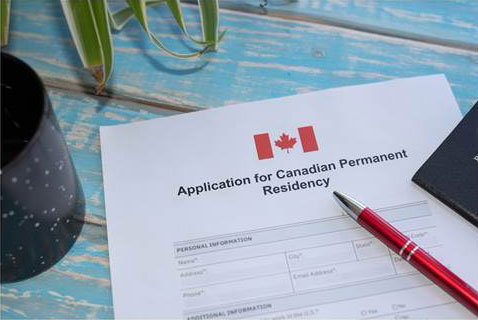
A Crucial Stage in the Refugee Journey
For many protected persons and successful refugee claimants, applying for permanent residence is the next step toward building a long-term future in Canada. While protection provides legal status, permanent residence is a separate application with its own eligibility requirements and process.
Claim Stage vs. Post-Protection Stage
Making a refugee claim and applying for permanent residence are separate legal processes.
A successful refugee claim or protected person status may make you eligible to apply for permanent residence, but it is not granted automatically. A refugee lawyer can help you understand the next steps, as a separate application with supporting documents must be submitted to Immigration, Refugees and Citizenship Canada (IRCC) for review.
Who Can Apply for Permanent Residence
Several groups may qualify to apply for permanent residence after receiving protection in Canada. Eligibility depends on your individual circumstances and immigration history.
Convention Refugees
Convention refugees are individuals who have been recognized as refugees because they have a well-founded fear of persecution based on factors such as race, religion, nationality, political opinion, or membership in a particular social group.
After being recognized as a Convention refugee in Canada, many individuals become eligible to apply for permanent residence.
Protected Persons
Protected persons include individuals whose refugee claims have been accepted in Canada as well as certain people who receive protection through other legal processes focused on protecting vulnerable individuals.
Once protected person status has been granted, permanent residence may become the next step toward establishing long-term status in Canada.
Other Post-Protection Routes That May Lead to PR
Not every individual follows the same immigration pathway.
Depending on your circumstances, other options may include:
- Humanitarian and Compassionate (H&C) applications
- Alternative permanent residence pathways
- Applications following successful immigration appeals
- Other immigration programs that may become available
A legal review can help determine which option is most appropriate for your situation.
When You Can Start the Permanent Residence Process
In many situations, protected persons can begin the process after protection has been formally granted. Starting early often allows more time to gather supporting documents, correct missing information, and address potential issues before submitting the application.
Waiting too long may create unnecessary complications if important documents become difficult to obtain or personal circumstances change.
Including Family Members in a Permanent Residence Application
Permanent residence applications often involve more than one person. Depending on your circumstances and immigration rules, you may be able to include certain eligible family members in your application. If you are also interested in bringing loved ones to Canada, additional immigration options may be available depending on your family's situation.
Family Members Already in Canada
If your spouse, common-law partner, or dependent children are already in Canada, their immigration status and eligibility should be carefully reviewed before they are included.
Accurate documentation is essential to avoid delays.
Family Members Outside Canada
Some applicants may also have eligible family members living outside Canada.
Supporting documents, identity records, and family relationship evidence should be gathered carefully to ensure the application is complete.
Legal advice can help determine which family members may be included and what additional requirements may apply.
Documents and Evidence Commonly Needed
Every permanent residence application is different, but most require detailed supporting documentation. For many applicants, this is an important step toward long-term stability in Canada and eventually becoming a Canadian citizen.
Examples may include:
- Identity documents
- Travel documents or passports
- Protected person or refugee decision documents
- Civil status documents
- Birth and marriage certificates, where applicable
- Family relationship documents
- Photographs
- Police certificate, where required
- Medical examination information
- Additional supporting evidence requested by IRCC
Applications may also require updated forms and declarations depending on individual circumstances.
Providing complete and accurate documentation from the beginning can reduce unnecessary requests for additional information later in the process.
Common Delays, Risks, and Questions
For many people, refugee protection is one of the main pathways to immigrate to Canada. Even after receiving protection, applicants may experience delays during the permanent residence process. Understanding common issues early can help reduce avoidable problems.
Missing or Incomplete Documents
Applications may be delayed if required forms, identity documents, or supporting evidence are incomplete or inconsistent.
Reviewing documents carefully before submission can help prevent unnecessary processing issues.
Changes in Family Circumstances
Marriage, divorce, births, or changes involving dependent children should be disclosed appropriately throughout the application process.
Failing to update important information may affect processing.
Identity or Travel Document Issues
Some protected persons face challenges obtaining passports or identity documents from their country of nationality.
Alternative documentation may sometimes be available depending on the circumstances.
Admissibility Concerns
Criminal charges, criminal convictions, previous immigration issues, or misrepresentation concerns may affect permanent residence eligibility.
These situations often benefit from legal advice before an application is submitted.
Why Choose Us
Applying for permanent residence after receiving protected person status requires careful preparation. Jasmin Sandhu Law provides practical legal guidance to help clients understand the requirements, prepare complete applications, and address potential concerns before they become obstacles.
Individual Eligibility Assessment
We review your immigration history and protected person status to determine your eligibility and identify issues that may affect your application.
Thorough Application Review
We help prepare and review your forms and supporting documents to ensure they are complete, accurate, and consistent.
Guidance for Family Applications
We explain how eligible family members may be included and what documentation may be required for your situation.
Advice for More Complex Matters
We assist clients facing previous immigration issues, missing documents, identity concerns, criminality, or other factors that may complicate a permanent residence application.
Accessible Legal Support
We provide legal services in English, Punjabi, and Hindi so clients can discuss their circumstances with confidence.
Guidance Throughout the Process
From protected person status to permanent residence, we explain each stage clearly and help you understand the next steps based on your individual circumstances.
FAQs
In many cases, yes. Individuals who have been recognized as protected persons may become eligible to apply for permanent residence, provided they meet applicable immigration requirements.
No. Receiving refugee protection does not automatically grant permanent residence. A separate permanent residence application must be submitted and approved.
Processing times vary depending on IRCC workloads, application completeness, security screening, and individual circumstances.
Many applicants may be able to include eligible family members, although the requirements depend on individual circumstances and immigration rules.
IRCC may request additional information or documents. In some situations, missing documentation can delay processing or affect the application outcome.
A lawyer is not legally required. However, legal guidance can help ensure eligibility is properly assessed, supporting documents are complete, and potential concerns are addressed before submission.
Speak With a Protected Person Permanent Residence Lawyer in Toronto
If you have received protected person status or your refugee claim has been accepted, understanding the permanent residence process is an important next step. Contact Jasmin Sandhu Law today to learn more.